
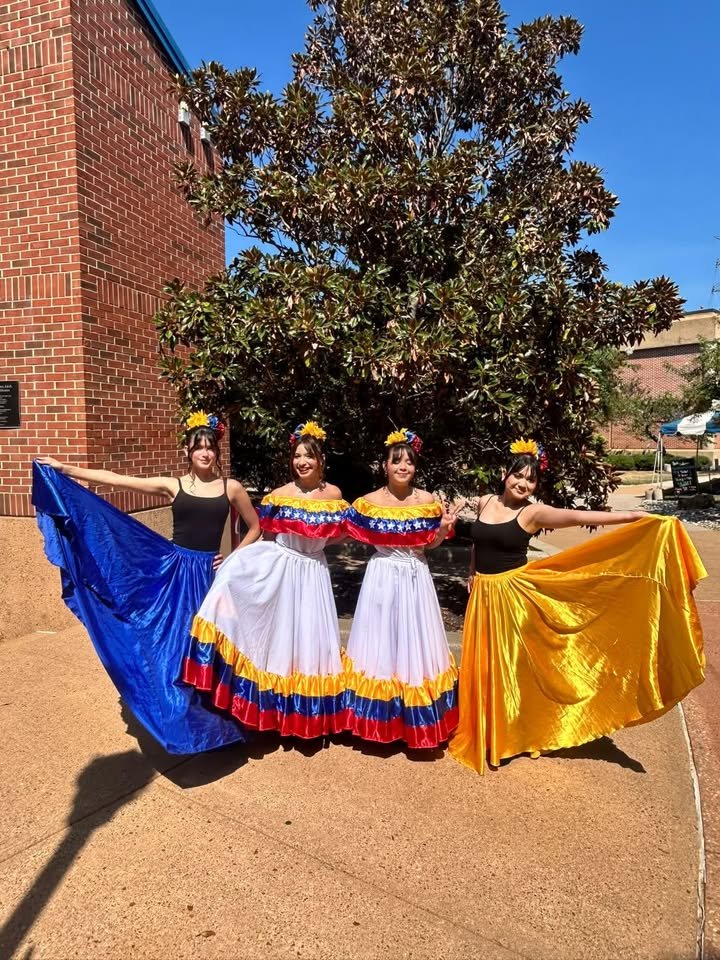
Chattanooga State kicked off Hispanic Heritage Month with Latin Fest, bringing food, music, dance and cultural performances to the campus amphitheater while highlighting Hispanic and Latino cultures represented throughout the college community.
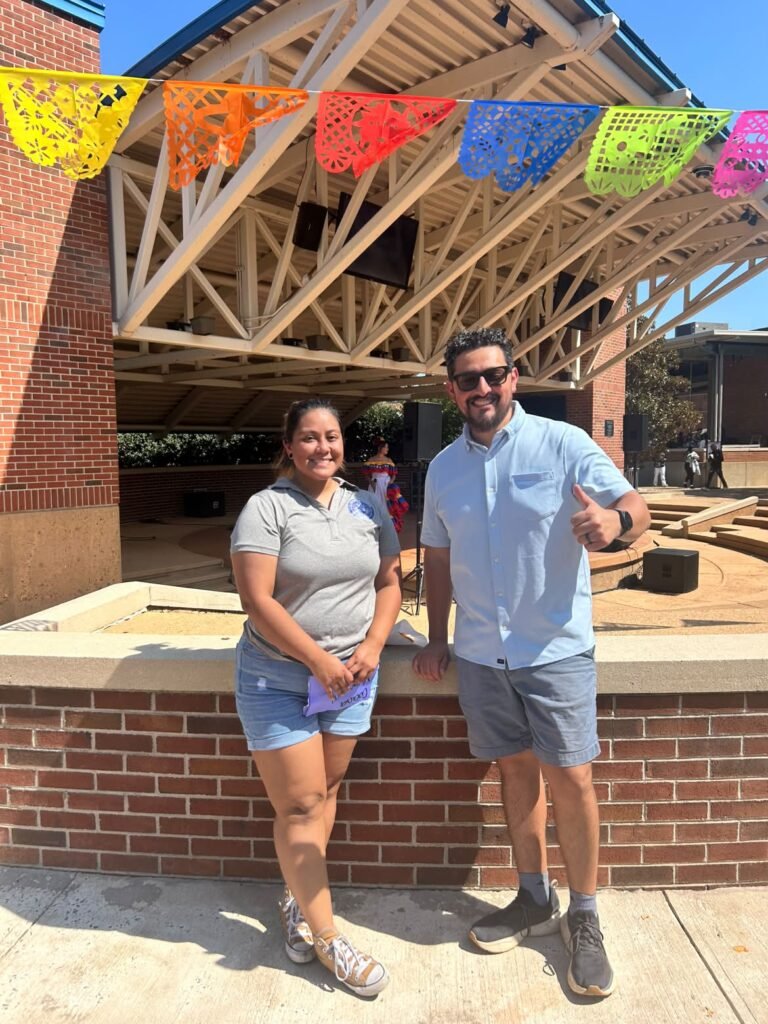
For Chattanooga State community members Cecilia Barrios and Nahomi Ortiz, however, celebrating Hispanic heritage goes beyond a single event. Their own experiences growing up helped shape the ways they now support Hispanic and Latino students on campus.
National Hispanic Heritage Month is observed each year from Sept. 15 through Oct. 15 and recognizes the histories, cultures and contributions of Americans whose ancestors came from Spain, Mexico, the Caribbean and Central and South America. The observance began as Hispanic Heritage Week in 1968 and was expanded to a month in 1988.
Sept. 15 also marks the independence anniversaries of Costa Rica, El Salvador, Guatemala, Honduras and Nicaragua. Mexico celebrates its independence Sept. 16, followed by Chile on Sept. 18.
Hispanic influence in what is now the United States stretches back centuries. St. Augustine, Florida, was established by the Spanish in 1565 and is recognized as the oldest continuously occupied European settlement in the continental United States.
Hispanic Americans have continued to influence American culture, education, labor, government and the arts. In 2009, Associate Justice Sonia Sotomayor became the first Hispanic justice to serve on the U.S. Supreme Court.
Celebrating Hispanic Heritage in Chattanooga
Throughout Chattanooga, organizations and community groups support Hispanic and Latino communities year-round.
Organizations including La Paz Chattanooga, Semillas TN and Bridge Refugee Services work with immigrant, refugee and Hispanic communities throughout the region. Hispanic Heritage Month also brings additional cultural events and performances that give residents opportunities to learn more about the different cultures represented in the area.
On Sept. 17, La Paz Chattanooga and The Pop-Up Project are presenting This Land is Your Land (Esta Tierra es Tu Tierra) at the Chattanooga Theatre Centre. The event celebrates Latino, Hispanic and Indigenous communities through dance, storytelling, music and education.
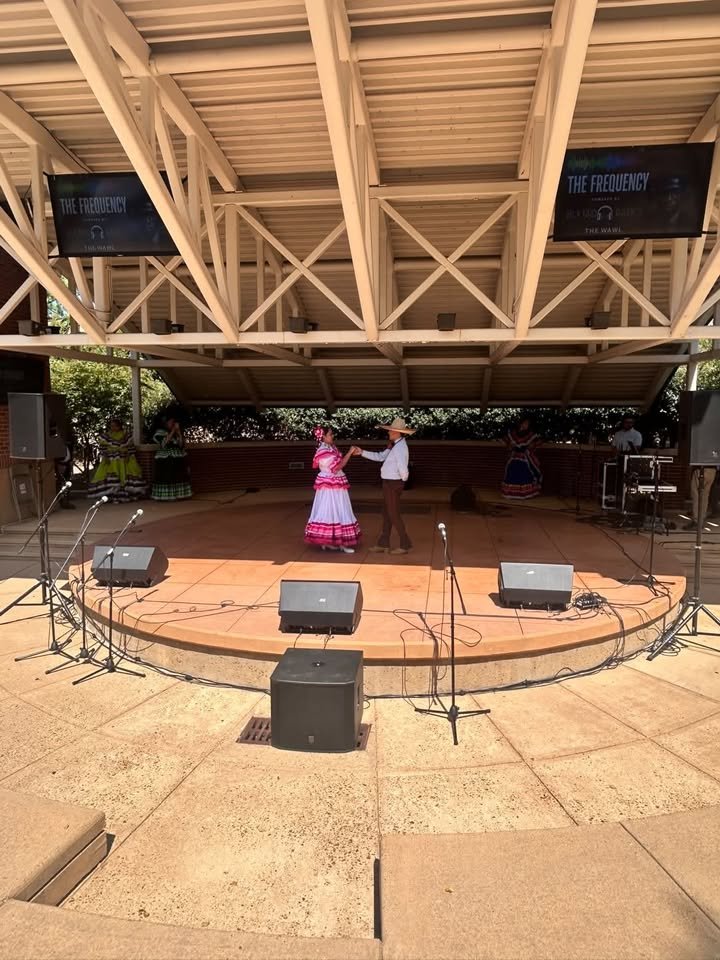
Photo credit: Alivia Martin
The Hunter Museum of American Art will continue the celebration Sept. 24 with Made for You and Me (Hecho Para Ti y Para Mí), featuring dance, music, storytelling, visual art and other programming focused on Hispanic and Latine cultures.
The celebration is also taking place at Chattanooga State.
Student organizations including Bridges Cultural Club, Spanish Club and LASO, the Latin American Student Organization, give students opportunities to connect with others and celebrate Hispanic and Latino cultures throughout the year. Latin Fest brought many of those cultures together on campus.
Students and visitors were able to try food from vendors including Cocina Veracruzana, Parceria Colombiana and El Rincon Colombiano. Jenni Jacinto performed rancheras for the crowd, while Alan Cuevas performed mariachi music. Emi Mendezo Pino also represented her Venezuelan culture through a musical performance.
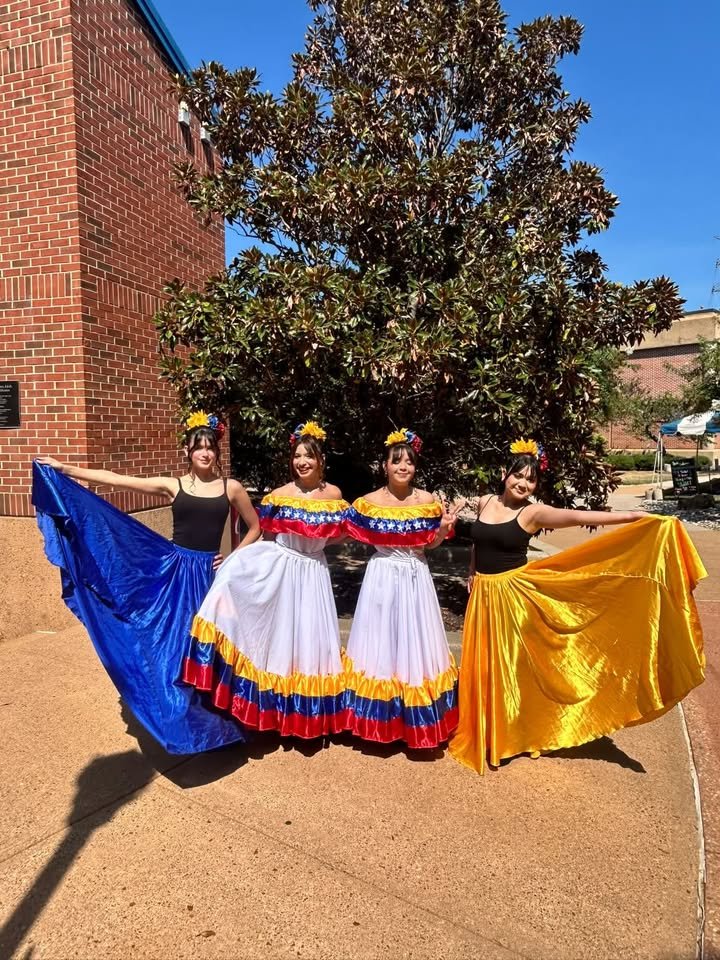
Mexican and Venezuelan dancers also took to the amphitheater stage, performing cultural dances in traditional attire.
Additional events are planned throughout Hispanic Heritage Month at Chattanooga State, including a tortilla workshop on Sept. 22, a reel series featuring Hispanic stories on Sept. 29 and a “Café and Conversation” event Oct. 15, where students can gather over coffee and conversation.
Finding Identity and Representation
For Barrios and Ortiz, Hispanic Heritage Month also provides an opportunity to talk about identity, representation and their experiences growing up.
Barrios, who is of Mexican and Guatemalan descent, and Ortiz, who is from Mexico, both described feeling different while attending predominantly white elementary schools.
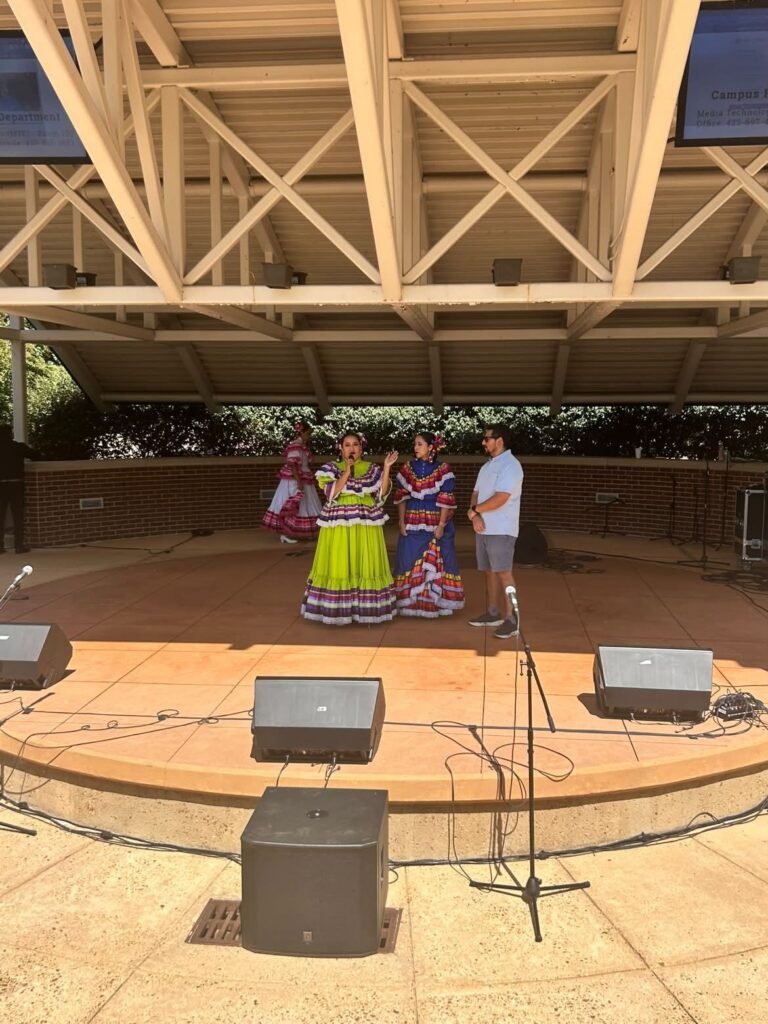
Photo by: Alivia Martin
Barrios said she struggled at times with balancing different parts of her identity. She was immersed in Hispanic culture at home but did not see the same level of representation outside of it.
She also recalled feeling the need to code-switch depending on where she was or who she was around. While learning English in elementary school, Barrios said it was sometimes difficult to maintain her Spanish vocabulary.
Ortiz described a similar experience after entering elementary school. She recalled other students questioning her appearance, sometimes negatively, which made her aware at a young age that others viewed her as different.
She said those experiences caused her to feel ashamed of parts of her culture for a period of time. Ortiz even remembered feeling uncomfortable bringing her mother’s Mexican home-cooked meals to school.
Both women said a lack of cultural awareness contributed to feelings of isolation and uncertainty about their identities when they were younger.
Today, Barrios and Ortiz have embraced those identities and use their experiences to support students at Chattanooga State.
Ortiz said she began to more fully embrace her culture when she attended college and learned more about Hispanic contributions to American history and the cultural diversity of the United States.
Mentors and student organizations also helped her become involved in advocacy. She joined clubs and even wrote for a Hispanic newspaper while attending college.
Today, Ortiz advises LASO at Chattanooga State and works alongside Barrios to help organize events including Latin Fest.
Their backgrounds also help them connect with students from different communities. Both women are bilingual, giving them another way to communicate with students who may be more comfortable speaking Spanish.
Barrios described herself as “rooting for the underdog,” including when recruiting vendors and community members for campus activities.
Ortiz said she also keeps Hispanic and Latino students in mind when considering how college administration interacts and communicates with students.
Representation in leadership can have an impact as well, she said, particularly for students who may be uncertain about the opportunities available to them.
“I think seeing someone in leadership who resembles you gives you the feeling that you may be able to fit that role,” Ortiz said.
Supporting Hispanic Voices Year-Round
When asked how people can support and uplift Hispanic voices beyond Hispanic Heritage Month, Barrios encouraged students to step outside of what is familiar to them.
“Get uncomfortable. Try something new inside the Hispanic community,” Barrios said.
Trying new foods, attending cultural events or simply talking with someone from a different background can give people an opportunity to connect.
Barrios also encouraged people to offer help when they see someone struggling with English and are able to assist. Small acts of kindness and understanding, she said, can go a long way.
Ortiz emphasized the importance of acknowledging differences rather than pretending everyone shares the same background or experiences.
Respectfully asking questions out of genuine curiosity can help someone feel recognized while also giving others an opportunity to learn about cultures different from their own.
“We are all humans who want to be seen for who we are,” Ortiz said.
Hispanic Heritage Month provides an opportunity to celebrate those cultures and experiences, but supporting Hispanic and Latino communities does not have to end Oct. 15.
Students can attend cultural events, learn about unfamiliar traditions, talk with members of their community and support organizations that uplift Hispanic voices throughout the year.
Sometimes, making a connection can begin with something as simple as a conversation over horchata, coffee or tamales.




Leave a Reply