
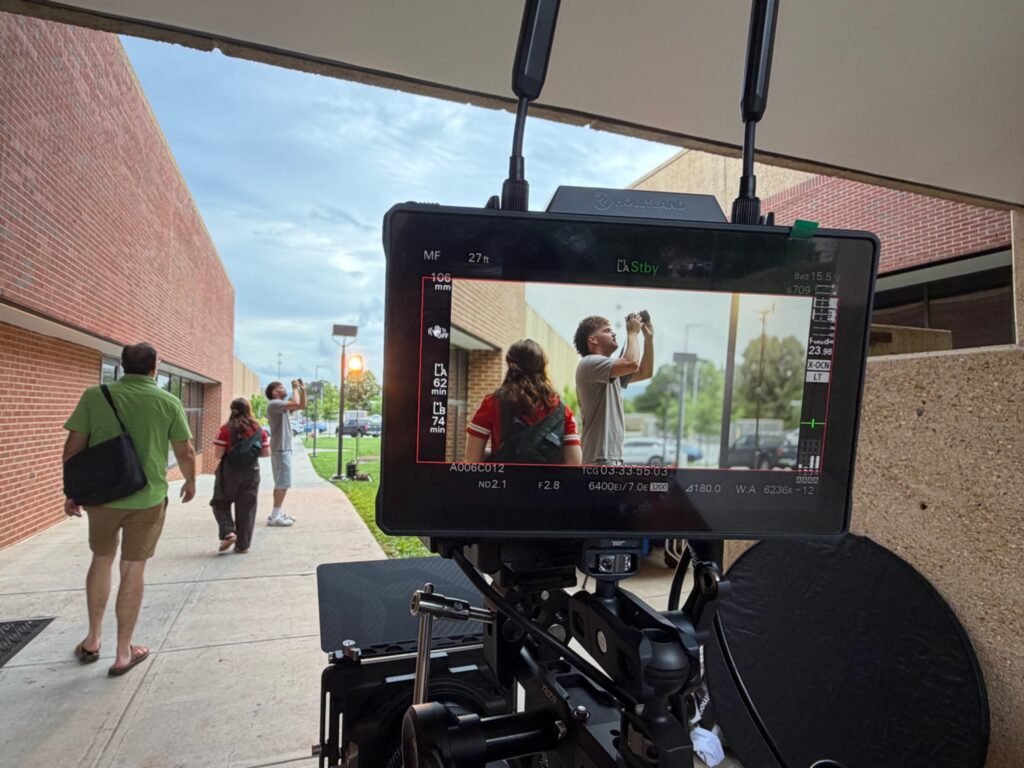
Late Monday nights, hot summer shoot days and hours spent learning how a film set works became part of the experience for the students behind Blue After Gold.
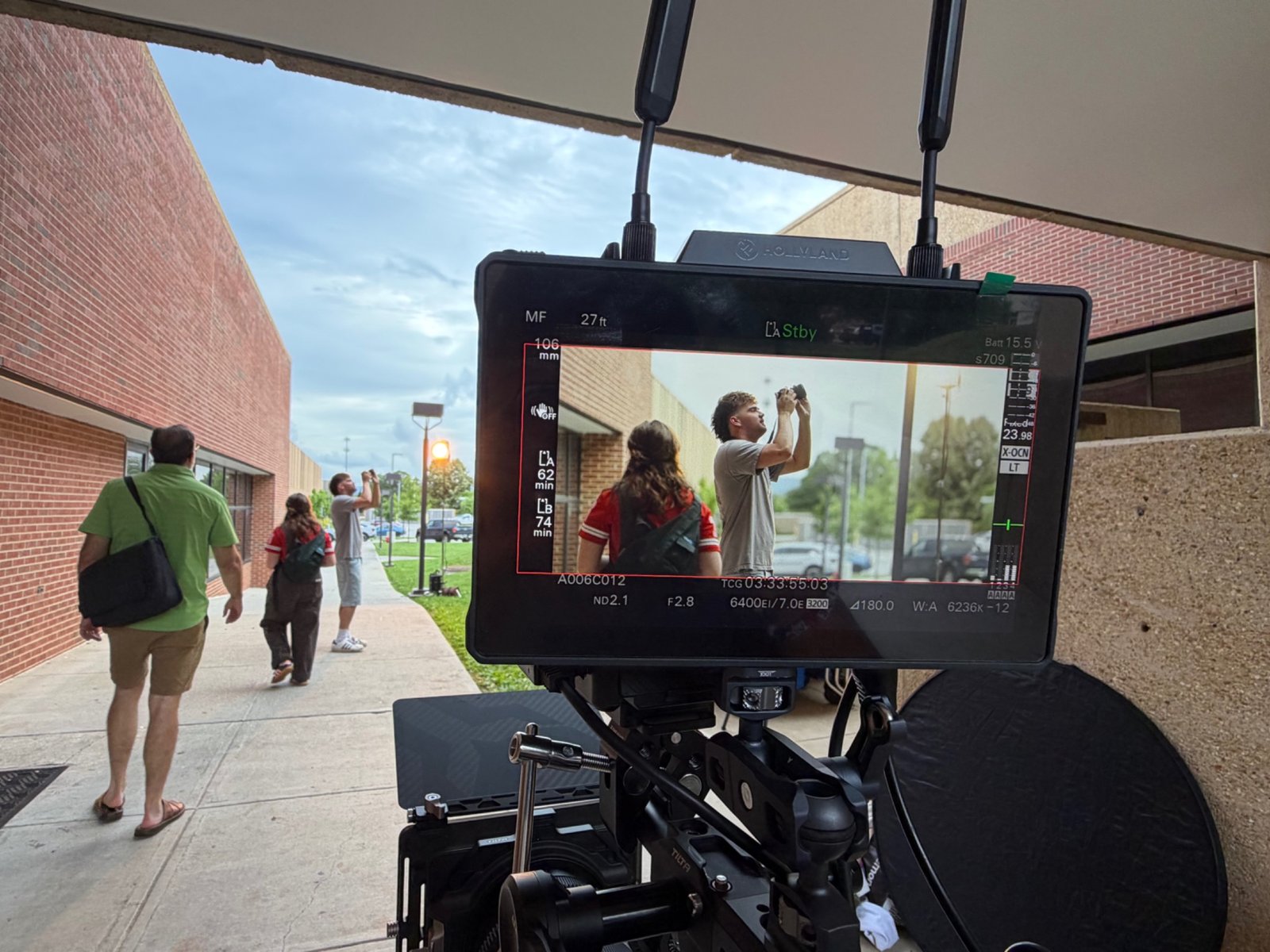
The student short film was created during a summer film production class, giving students the opportunity to move beyond classroom exercises and work together on a larger production. From operating cameras and setting lights to keeping actors in focus and preparing each shot, students took on the roles of a working film crew while bringing the project from script to screen.
For Amayia Mitchell, that meant stepping into a role she had never experienced before.
Mitchell worked primarily as a focus puller on Blue After Gold, helping the camera department keep subjects sharp during filming. She joined the production without knowing exactly what to expect, but over the course of the summer, the project became an opportunity to learn how a film set operates, work alongside other student creatives and make memories that changed the way she now sees the finished film.
“One of my biggest reasons I wanted to help with this project was because I never got to work on anything like this before,” Mitchell said.
At first, she was not entirely sure what to expect from the story. As production continued, however, she began to understand the concept and see how the different pieces of the film fit together.
“Once we started filming and I got to understand the film more, I thought it was an amazing concept,” she said.
One of Mitchell’s favorite memories from production came from an unexpected task: learning cursive on the spot for a scene.
Although it may only appear briefly in the finished film, moments like that became part of what she remembers most about working on the project.
The production also gave Mitchell an opportunity to learn how a larger film set operates. She said some of her biggest challenges included learning how to work with cameras and lighting, understanding shot lists and becoming familiar with the expectations that come with working on a film set.
She worked through those challenges by paying attention to what was happening around her, asking questions and learning from other members of the crew.
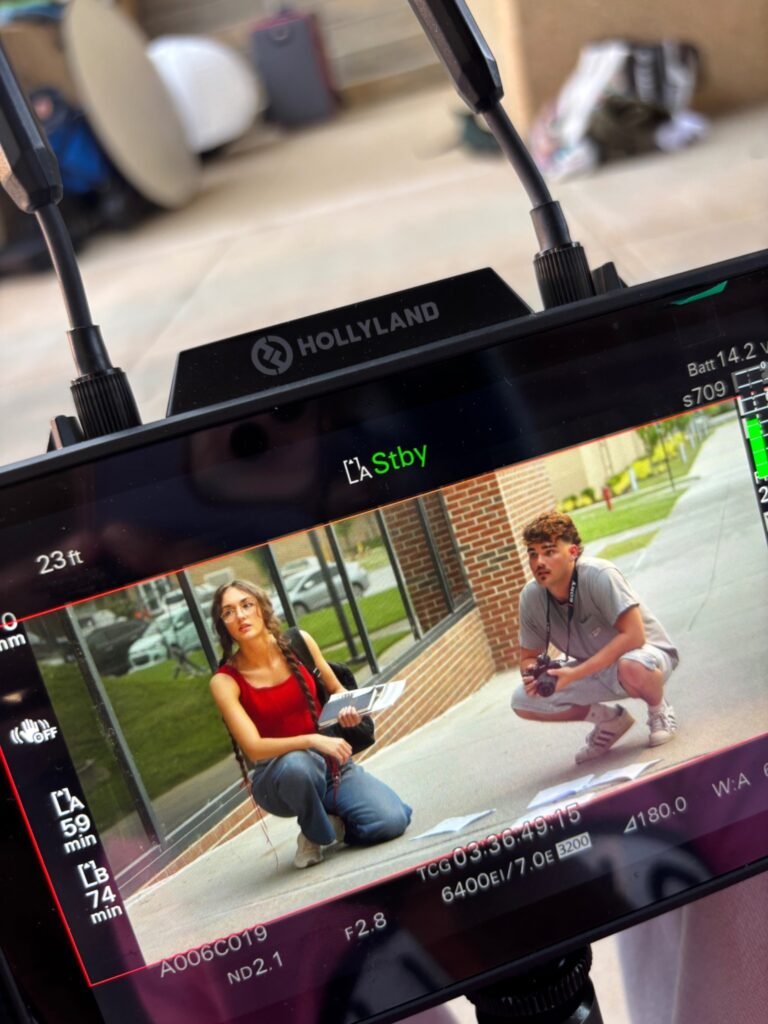
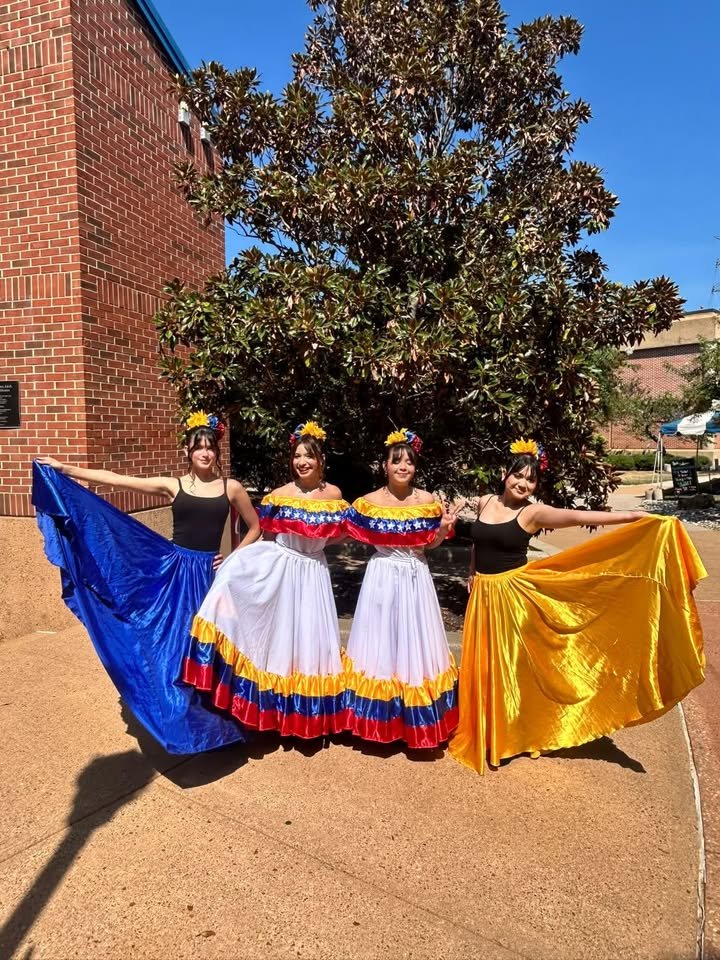
One scene Mitchell said she is especially proud of is the film’s dance sequence.
“When I first heard about this project, I was really confused about what the dance was until we filmed it,” she said. “Working behind the scenes really helped me better understand the scene, and I’m glad I got to help bring it to life.”
While Mitchell had previously collaborated with other students on video projects, she said working together to create a short film felt different.
“It was an amazing experience overall,” she said.
Being involved behind the scenes also changed the way Mitchell imagines the film. Before production, she pictured the story simply as she might picture any movie. Now, she associates the finished project with the work that went into creating it and the memories she made with the crew.
“When I imagine it now, I imagine everything we did and all the memories I’ve made,” Mitchell said.
Because Blue After Gold was her first experience working on a project of this kind, Mitchell said she does not have another production to directly compare it to. What she hopes audiences recognize, however, is the amount of effort that happened outside the frame.
“One thing people should know when watching this film is how hard we worked on it, from all the late Monday nights to the hot days we filmed outside,” she said.
The experience has also motivated Mitchell to continue seeking opportunities on future productions.
“It has given me motivation and makes me want to work on more sets, big or small,” she said.
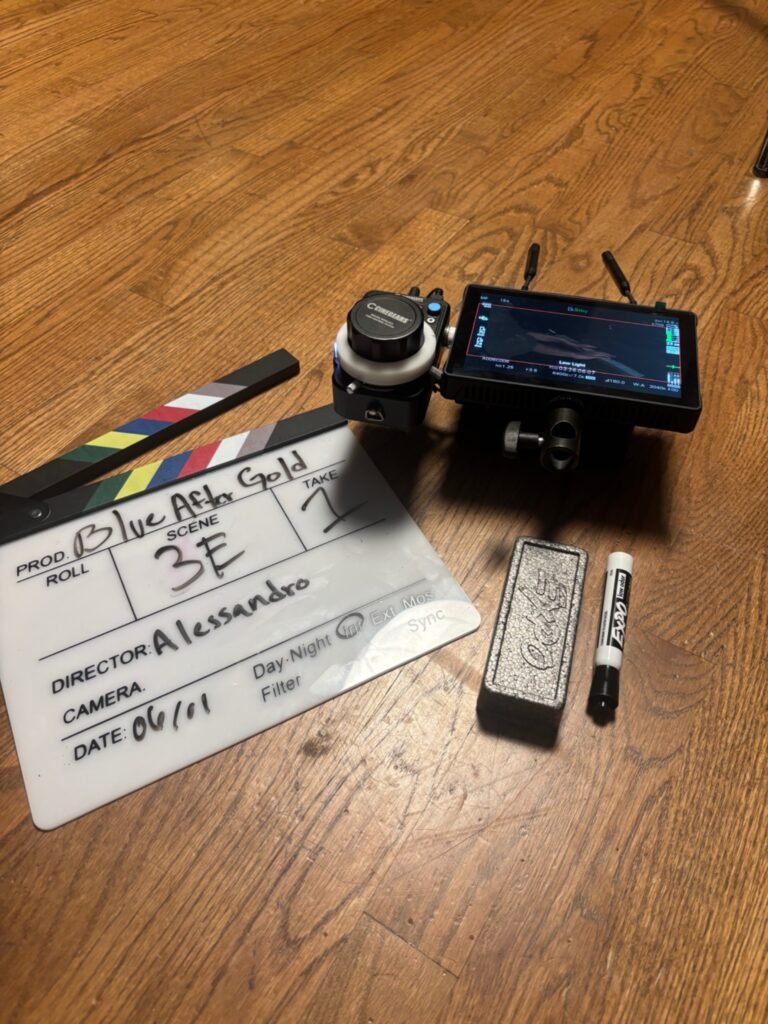
Asked to summarize her experience making Blue After Gold in one sentence, Mitchell described it simply:
“Working on set was amazing. I met new people, learned new things, and I would do it again.”
Follow Blue After Gold on Instagram at @blueaftergold for updates, behind-the-scenes content and information about the film’s release.



Leave a Reply